
Divorce in Alberta follows a defined legal process, but most people going through it for the first time don't know what that process involves until they're in the middle of it. Let’s walk through the divorce process in Alberta from start to finish, including the steps that surprise people, so you know what's ahead before you file.
Divorce in Alberta requires meeting a residency requirement and a legal ground for divorce, usually a one-year separation, then filing with the Court of King's Bench of Alberta, resolving parenting, support, and property issues, and waiting through a mandatory period after judgment before the divorce becomes final. A Calgary divorce lawyer can guide each step, including when the case is contested.
Two requirements apply before a divorce application can proceed:
Every divorce follows the same general legal framework under Alberta law, but the time each step takes depends on whether spouses agree on parenting, support, and property issues. Understanding the process in order helps you prepare for what comes next, avoid common delays, and make informed decisions throughout your divorce.
Before filing, confirm the residency requirement and identify the ground for divorce, most commonly the one-year separation. Spouses can live separately and apart under the same roof in some circumstances, which is worth discussing with a lawyer if it applies to your situation.
An uncontested divorce means both spouses agree on parenting, property, and support issues, and the divorce moves through the court on paper, with limited need for hearings. A contested divorce means one or more issues remain disputed, requiring negotiation, mediation, or a court process to resolve.
All divorces in Alberta are filed with the Court of King's Bench of Alberta, since divorce falls under federal law and only a superior court has jurisdiction to grant one. A joint application works when both spouses agree on the terms; otherwise, one spouse files and the other is served.
Both spouses provide financial disclosure covering income, assets, and debts. This step matters for calculating child support and spousal support and for addressing property division, and incomplete disclosure is one of the most common sources of delay.
These issues, known as corollary relief, cover decision-making responsibility, parenting time, child support, spousal support, and property division. Property division falls under Alberta's Family Property Act rather than the Divorce Act, though it's often addressed alongside the divorce. Spouses can resolve these through negotiation, mediation, or, if they can't agree, a court application.
If the application isn't joint, the other spouse must be formally served with the divorce documents and given an opportunity to respond. This step starts the clock on deadlines to file a response if the other spouse disputes any part of the application.
Once the court is satisfied that the legal requirements are met and, where children are involved, that reasonable arrangements have been made for their support, a judge grants the divorce judgment.
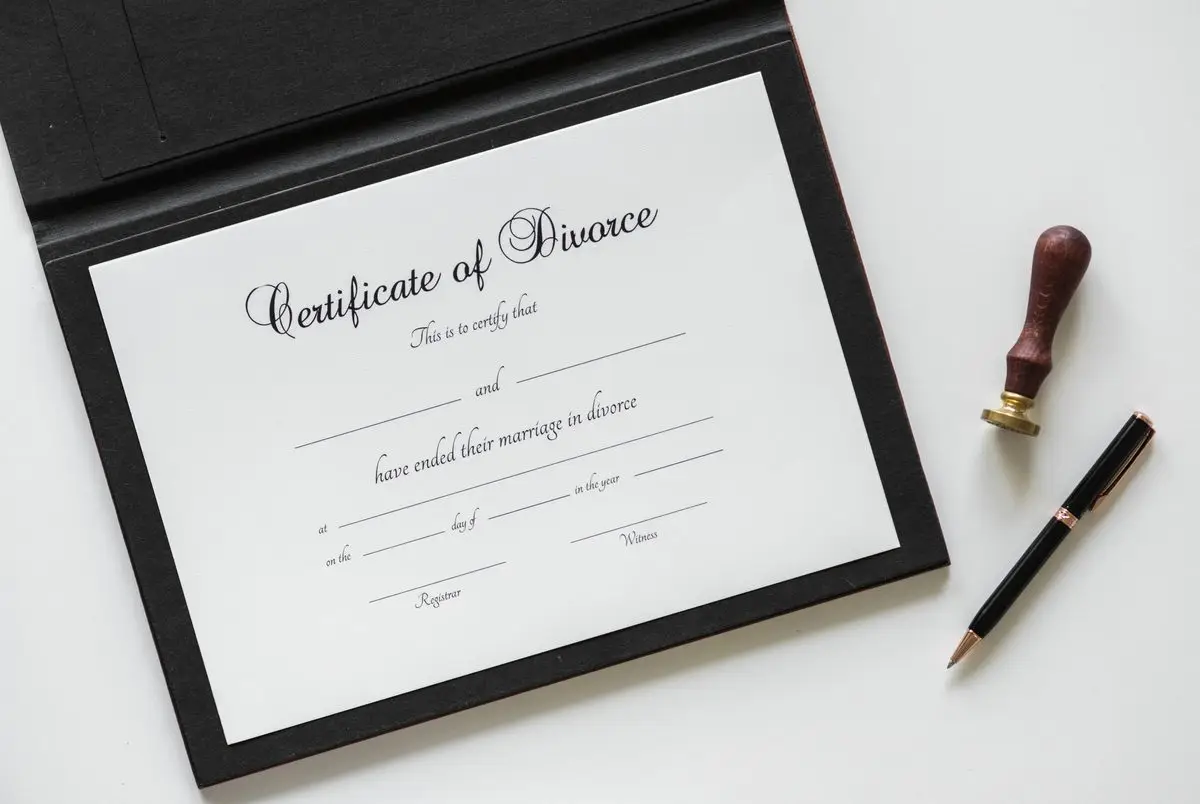
A divorce judgment doesn't end a marriage immediately. Under the Divorce Act, the divorce takes effect 31 days after judgment, allowing time for an appeal. After that period passes, either spouse can request a Certificate of Divorce, which confirms the divorce is final and allows remarriage.
An uncontested divorce, where both spouses agree on all issues and disclosure goes smoothly, can be completed in a few months. A contested divorce involving disputed parenting arrangements, property division, or a business valuation can take a year or more, and longer still if the matter heads toward trial.
| Uncontested | Contested | |
| Agreement on issues | Both spouses agree before filing | One or more issues remain disputed |
| Process | Handled on paper, with limited need for hearings | Involves negotiation, mediation, or court applications |
| Typical timeline | A few months | A year or more, depending on complexity |
| Role of the court | Reviews and approves the agreement | Actively decides disputed issues |
THEBIL Family Law walks clients through each stage of the divorce process, from confirming eligibility to finalizing parenting, support, and property arrangements, whether the divorce resolves through agreement or requires a court application. The firm reviews each case to determine whether it's headed toward an uncontested or contested path.
Request For A Consultation
At least one spouse must have lived in Alberta for at least one year, and there must be a legal ground for divorce, most commonly a one-year separation.
No. The most common ground is a one-year separation, which doesn't require proving adultery or cruelty. Those grounds exist but are used far less often.
An uncontested divorce can take a few months. A contested divorce involving disputed issues can take a year or more, depending on complexity.
The Court of King's Bench of Alberta handles all divorces, since divorce is governed by federal law and only a superior court has jurisdiction to grant one.
Property division is addressed under Alberta's Family Property Act, a separate piece of legislation from the Divorce Act, though it's commonly resolved alongside the divorce itself.
The divorce takes effect 31 days after the judgment is granted, to allow time for an appeal. After that, a Certificate of Divorce confirms the divorce is final.
Not immediately. You need to wait until the divorce becomes final, 31 days after judgment, and obtain a Certificate of Divorce before remarrying.
The divorce becomes contested, and the disputed issues move through negotiation, mediation, or a court application. A Calgary divorce lawyer can represent you through that process.
Not always, though a lawyer can help confirm the paperwork is complete and the agreement is properly documented, which matters if a dispute arises later.
Whether your divorce is likely to be straightforward or contested, understanding the process ahead of time helps you avoid unnecessary delays. THEBIL Family Law reviews your situation and walks you through what to expect. Book a consultation to talk through your divorce.